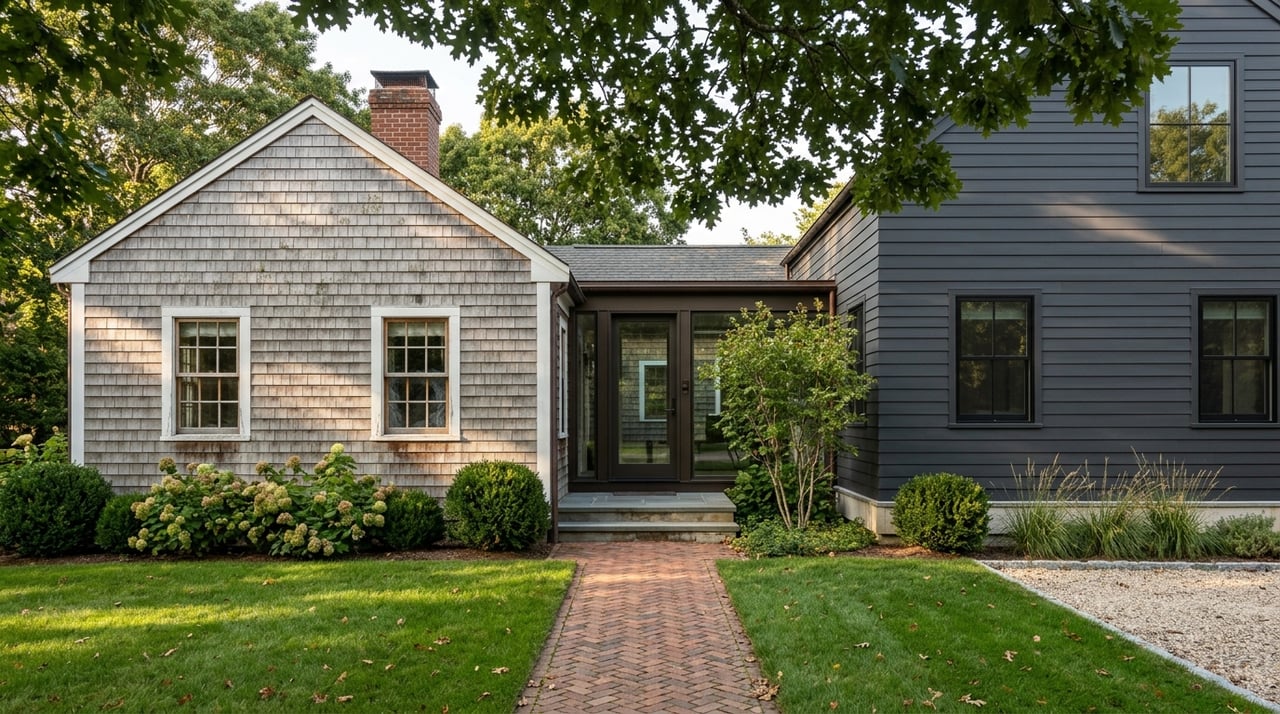
If you are house hunting in East Setauket, one question can shape your entire search: do you want the charm of a historic home or the ease of a newer one? That choice is not just about style. It affects layout, upkeep, future projects, and how you live day to day. In a market where inventory is tight and buyer interest stays strong, understanding the tradeoffs can help you make a smarter move. Let’s dive in.
East Setauket Has Two Distinct Paths
East Setauket offers a housing mix that feels more layered than many suburban markets. On one side, you have older homes tied to the area’s long history and preserved streetscapes. On the other, you have a much smaller pool of newer homes built for modern living.
That contrast matters because East Setauket is not a place where new construction dominates. Brookhaven established an East Setauket historic district in 1976, and the town reviews certain exterior changes, new construction, demolition, and similar work within district boundaries and transition areas. At the same time, current listing data suggests true new-build inventory in the area is limited.
What Historic Homes Feel Like
Historic homes in East Setauket are not all the same, which is part of their appeal. Brookhaven planning materials describe early Setauket houses ranging from lean-to forms and saltbox dwellings to smaller attic houses. Local historic-site materials also identify homes such as Roe Tavern, originally built in 1703, and the Hulse House, dating to about 1740 to 1755, as part of the area’s older housing fabric.
In practical terms, these homes often offer architectural character that stands apart from a standard subdivision layout. You may find timber-frame construction, older room arrangements, and details that reflect how homes were built centuries ago. For many buyers, that sense of originality is hard to replicate.
Historic Layouts Are More Traditional
The Hulse House is a strong local example of how historic living patterns differ from modern ones. The New York State Historic Preservation Office describes it as an intact mid-eighteenth-century Cape Cod-form dwelling with a compact one-and-a-half-story shape, a shallow center hall, front rooms on each side, a steep roof, and a dominant central chimney.
What does that mean for you? In many older homes, rooms are smaller and more separated. Circulation can feel more segmented, and the house may center around original materials and craftsmanship rather than open sightlines.
Historic Character Comes With Stewardship
For the right buyer, a historic home can feel deeply rewarding. You are not just buying square footage. You are buying design history, established surroundings, and a home with a distinct identity.
That said, historic ownership usually asks for a little more planning. If a home is within the historic district or a transition area, Brookhaven’s Historic District Advisory Committee reviews many exterior changes, including items like windows, siding, roofs, porches, additions, moving, and demolition. Ordinary maintenance and repair that do not change design or materials do not require review.
What Newer Homes Offer
Newer homes in East Setauket tend to serve a different type of buyer need. While their exterior style may still lean traditional, their interior function is usually much more current. They are built for convenience, flexibility, and easier day-to-day living.
Current new-construction listings in the Setauket-East Setauket area point to very limited supply. One active example cited in local listing data is 457 Pond Path, a 2026-built home with 5 bedrooms, 3.5 bathrooms, about 3,700 square feet, a 1.22-acre lot, and a 3-car garage. That kind of listing suggests newer options exist, but they are relatively scarce.
Newer Layouts Focus on Function
Today’s newer homes often include features buyers already expect. Current East Setauket new-build listings mention open-concept interiors, 9-foot first-floor ceilings, attached garages, covered front porches, engineered wood floors, Andersen windows, outside basement access, and high-efficiency HVAC or heat-pump systems.
Some listings also advertise tankless or upgraded hot water systems, two-zone central air, and builder warranties. Compared with a historic home, that often means a larger footprint, more bathrooms, and a floor plan that fits modern routines more naturally.
Newer Homes May Reduce Near-Term Projects
One of the biggest advantages of a newer home is predictability. Systems, finishes, and mechanicals are typically newer, which may reduce the amount of immediate work you need to plan for after closing.
That does not mean no maintenance. Every home needs care. But if your goal is a more move-in-ready experience with modern systems from the start, a newer home often checks that box more easily than a historic property.
Upkeep Is One of the Biggest Differences
When buyers compare historic and newer homes, maintenance is often where the decision becomes clear. A historic home may offer unmatched character, but it can also require more attention to materials, planning, and project timing. A newer home may feel simpler to manage in the short term.
East Setauket’s local hazard modeling also flags flood, wind, and heat exposure. In older homes, that can make it especially important to look closely at drainage, roof condition, insulation, and mechanical systems. Even when a house has been well cared for, age alone can create different maintenance priorities.
Historic Homes Need Thoughtful Updates
If you love an older home, it helps to think beyond the listing photos. Ask how the home functions today, not just how it looks. Consider whether the windows, roofing, exterior materials, and heating and cooling systems match your comfort level for upkeep.
For sellers, this is often where preparation matters most. A well-planned pre-sale approach can help preserve character while addressing condition issues that buyers notice quickly.
Newer Homes Still Require Due Diligence
A newer build is not an automatic pass on inspections or planning. You still want to understand the quality of finishes, layout choices, system design, and how the property fits into the surrounding area. Limited supply can also mean less room to be selective when a new home comes to market.
Because East Setauket does not have a deep pool of new construction, buyers may need to move quickly when the right option appears. That can make clarity around your must-haves even more important.
Inventory and Competition Matter
Your decision is not just about taste. It is also about what is realistically available when you are ready to buy. In East Setauket, both historic and newer homes can draw strong interest.
Redfin’s May 2026 snapshot shows a median sale price of $711,574, median days on market of 19, and a 100.4% sale-to-list ratio. Its live listings page also shows 7 new listings, a median listing price of $750K, and typical homes receiving 3 offers. Those numbers point to a competitive market where well-positioned homes can move quickly.
Why Both Categories Stay Relevant
East Setauket has a preserved historic core, limited new-construction supply, and consistent buyer demand. That combination helps both older and newer homes remain attractive. Some buyers want originality and established settings, while others want modern systems and easier upkeep.
The Three Village Central School District is also part of the broader demand picture. The district reports 5,500 students, a 97% four-year graduation rate, and includes multiple schools located in East Setauket. For many buyers, long-term resale potential is tied not just to the home itself, but also to the overall location.
How to Decide Which Home Fits You
The best choice usually comes down to your priorities, your budget for updates, and the way you want to live. Neither option is universally better. The right fit depends on what matters most to you.
Here is a simple way to think about it:
Choose a Historic Home If You Value
- Architectural character and original details
- Established streetscapes and a preserved setting
- A more traditional room-by-room layout
- The idea of owning and caring for a distinctive property
Choose a Newer Home If You Value
- Open-concept living and larger room sizes
- More bathrooms, garage space, and modern systems
- Lower near-term maintenance needs
- A move-in-ready feel with updated finishes and features
What This Means for Buyers and Sellers
If you are buying in East Setauket, clarity matters. Knowing whether you lean historic or newer can help you narrow your search and act faster when the right listing appears. In a market with limited inventory, that focus can save time and reduce second-guessing.
If you are selling, understanding how your home fits into this comparison can shape your strategy. Historic homes often benefit from thoughtful preservation-minded preparation, while newer homes can shine by emphasizing layout, systems, and convenience. The strongest results usually come from presenting the home in a way that matches what the right buyer is already looking for.
Whether you are drawn to timeless character or modern ease, East Setauket offers both, just in very different forms. If you want help evaluating a property, preparing a home for sale, or planning updates that support value, Bona Fide Fine Homes & Estates can help you move forward with clear local insight.
FAQs
What is the main difference between historic and newer homes in East Setauket?
- Historic homes usually offer more architectural character and traditional layouts, while newer homes typically offer open floor plans, newer systems, and more modern day-to-day convenience.
Are historic homes in East Setauket all the same style?
- No. Local planning and preservation materials describe a range that includes lean-to houses, saltbox dwellings, attic houses, Cape Cod-form homes, and other timber-frame historic houses.
Do exterior changes to historic homes in East Setauket require review?
- In many cases, yes. Brookhaven reviews certain exterior changes, new construction, demolition, moving, and related work within the historic district and transition areas, while ordinary maintenance that does not change design or materials does not require review.
Is new construction common in East Setauket?
- Current listing data suggests no. New-construction inventory appears limited, which can make newer homes harder to find than older existing homes.
Are newer homes in East Setauket usually more move-in ready?
- They often are, based on current listing features like high-efficiency HVAC, updated hot water systems, engineered wood floors, attached garages, and builder warranties.
Is the East Setauket housing market competitive for both older and newer homes?
- Yes. Recent market data shows a median sale price of $711,574, median days on market of 19, a 100.4% sale-to-list ratio, and typical homes receiving 3 offers, which suggests strong interest across property types.