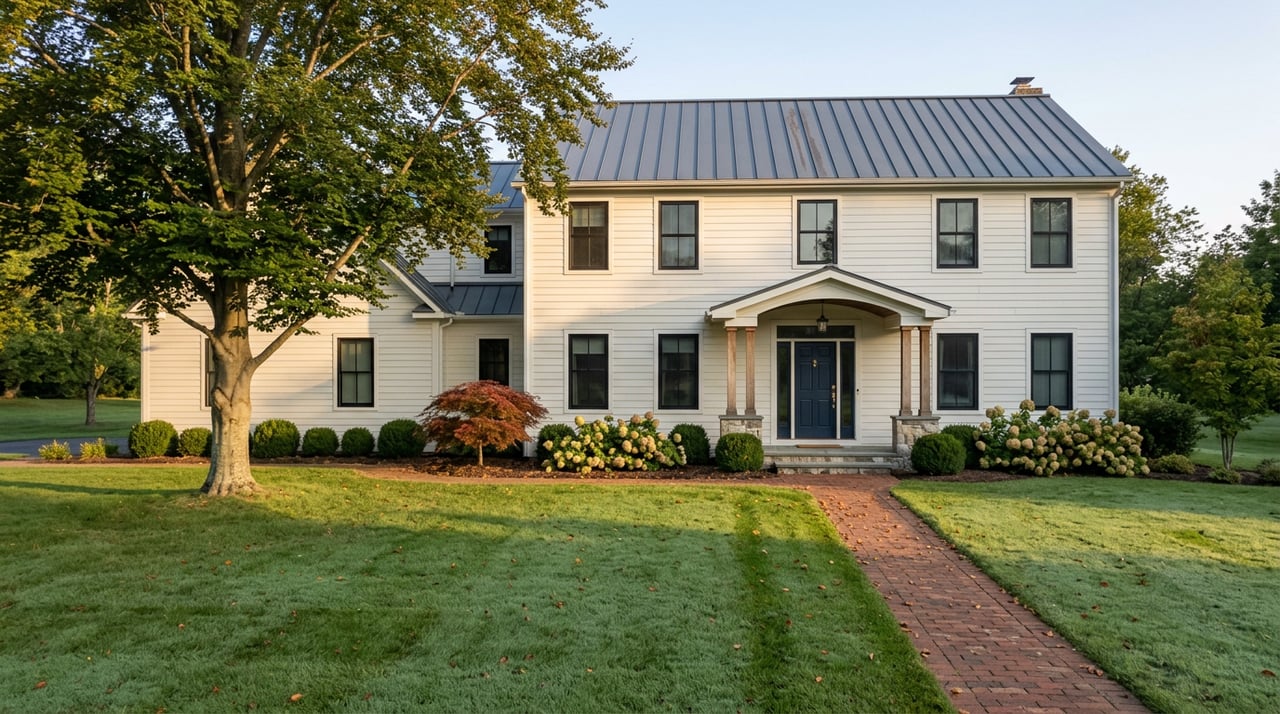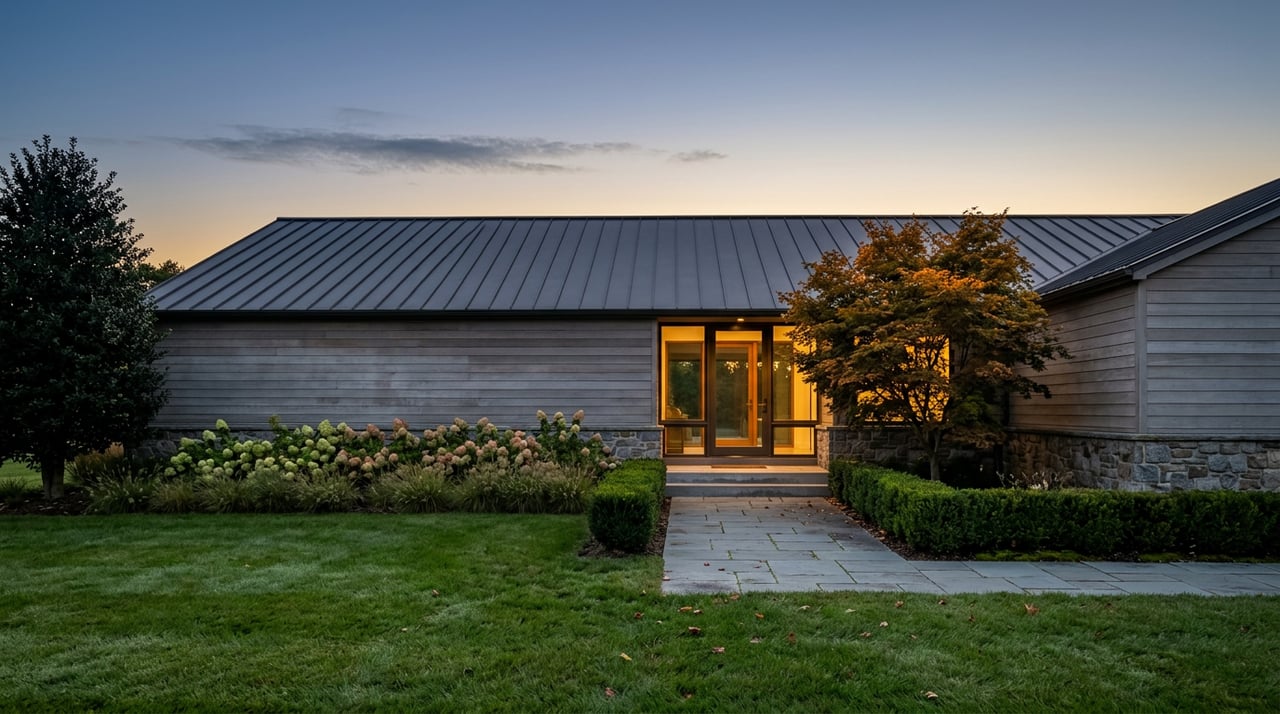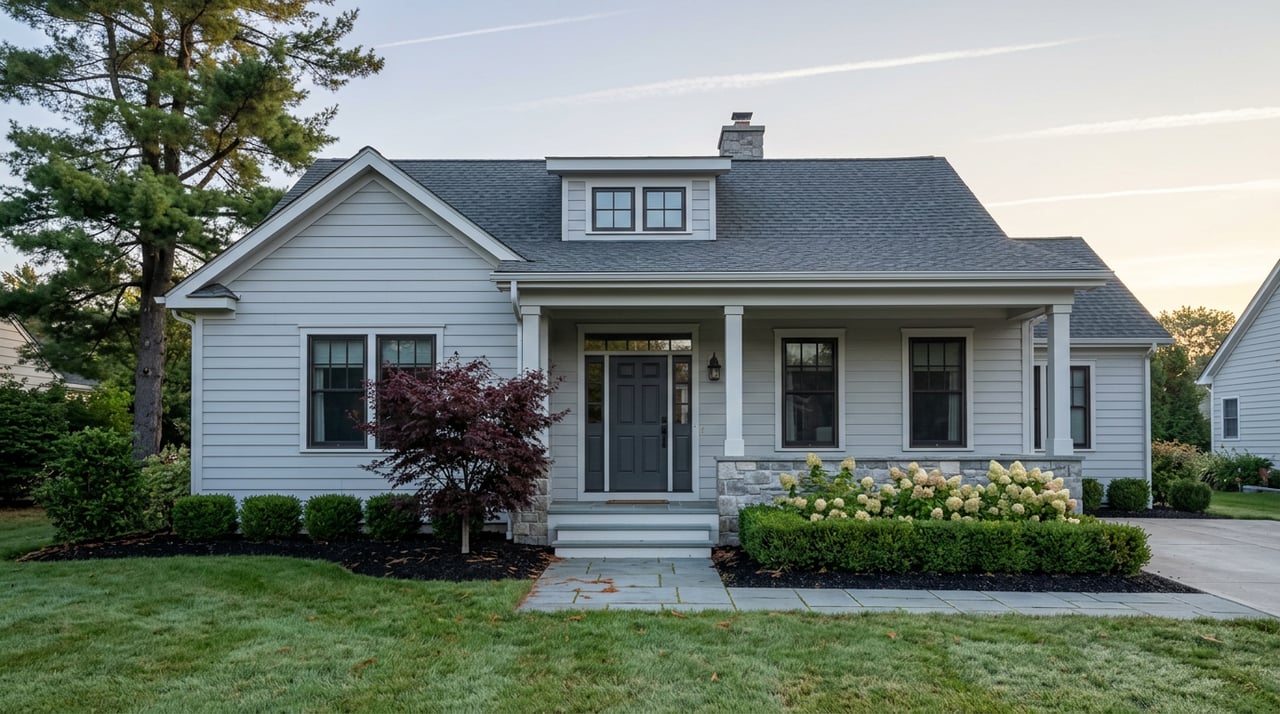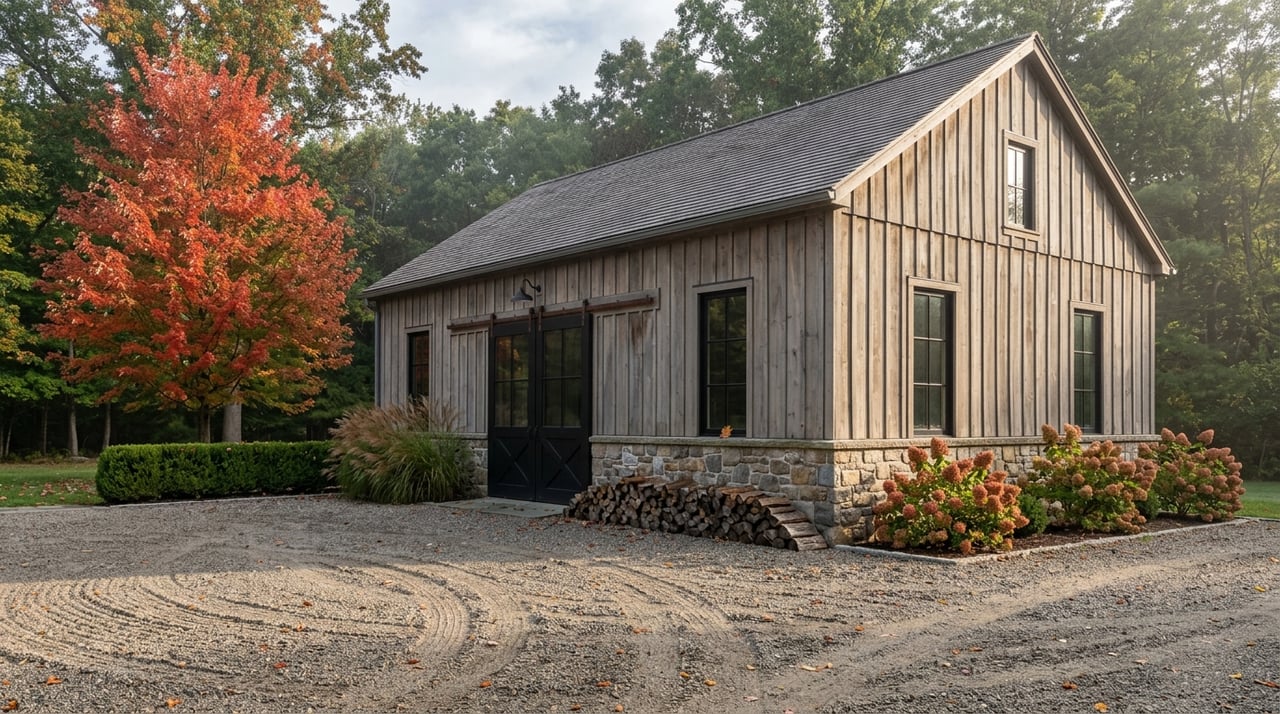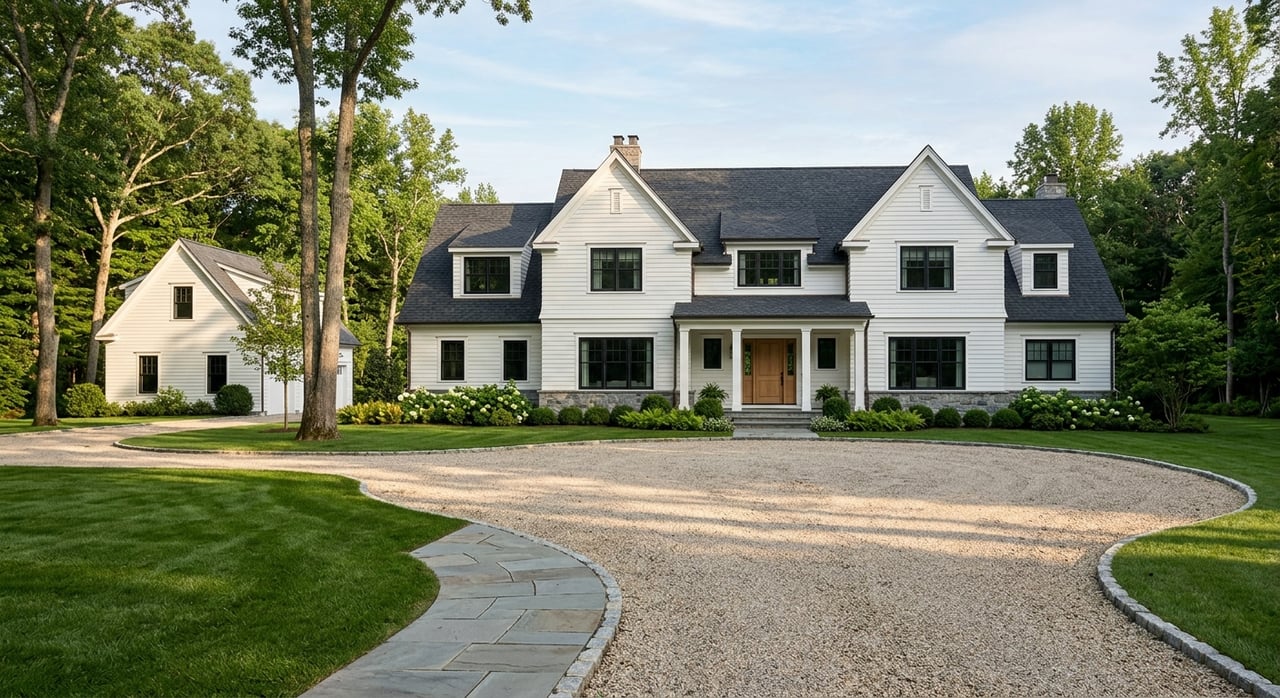
If you think luxury on Long Island is only about square footage, Old Westbury offers a different picture. Here, the lifestyle is shaped just as much by land, privacy, history, and setting as it is by the home itself. If you are exploring this village as a buyer or simply trying to understand what makes it so distinct, this guide will walk you through the character, pace, and property patterns that define estate living in Old Westbury. Let’s dive in.
What Defines Old Westbury
Old Westbury is an incorporated village in Nassau County that spans parts of the Towns of Oyster Bay and North Hempstead. Its roots go back to 1658, but its modern identity took shape in the late 1890s when it became a destination for country estates.
That estate legacy still matters today. The village was incorporated in 1924, and its planning history later moved from postwar two-acre subdivision patterns toward four-acre residential properties through an up-zoning in 1987. That shift helped preserve the spacious, low-density character many people associate with Old Westbury now.
In practical terms, Old Westbury is not a retail-centered village. It is a predominantly single-family residential community where large estates, private grounds, golf courses, equestrian facilities, gardens, universities, and religious uses shape the landscape, with most commercial activity limited to Glen Cove Road and Jericho Turnpike.
Why Privacy Feels Built In
One of the clearest differences between Old Westbury and many other luxury markets is how strongly the built environment supports privacy. Homes are often set well back from winding local roads, with street trees and buffer vegetation screening the view.
That means the experience of arriving home often feels quiet and sheltered. Instead of closely spaced homes or walkable retail strips, you are more likely to notice long drives, mature landscaping, broad lawns, and a sense of separation from the street.
The village land-use pattern helps explain why. About 33.4% of village land is used for single-family residential properties, and another 11.7% is estate land. Combined, that means roughly 45% of the village land area is tied to residential and estate-style living.
Lot Size Matters Here
Old Westbury is one of those places where acreage is part of the conversation. The village history and zoning structure reflect one-acre, two-acre, and larger residential patterns, while the planning history emphasizes the move toward four-acre properties.
For you as a buyer, that means lot size is not just a number on a listing sheet. It directly affects privacy, driveway length, outdoor amenities, sightlines, and how an estate feels from the moment you enter the property.
The Estate Lifestyle in Real Terms
Estate living in Old Westbury is less about density and convenience shopping, and more about space, grounds, and lifestyle amenities at home. Current listings in the market often feature gated entrances, pools, tennis or pickleball courts, guest quarters, cabanas, staff space, and long private drives.
That does not mean every property looks the same. The market includes historic estates, gated contemporary homes, large buildable parcels, and amenity-rich compounds with multiple structures. What ties them together is a luxury-first, acreage-sensitive feel.
This is a market where buyers are often evaluating more than the house itself. They are also considering land use, privacy, recreation, and the long-term appeal of an Old Westbury address.
Common Features Buyers Notice
When people picture Old Westbury estate living, these are often the features that stand out:
- Private or gated entrances
- Long driveways and deep setbacks
- Pools and outdoor entertaining areas
- Tennis or pickleball courts
- Guest houses or guest cottages
- Cabanas and pool support spaces
- Staff quarters or service areas
- Larger parcels with room for additional outdoor amenities
These features show up repeatedly in active and recent listings, which reinforces the village’s identity as an estate-oriented luxury market.
Lifestyle Anchors Beyond the Property
While private homes do much of the lifestyle heavy lifting in Old Westbury, the village also has several well-known anchors that reinforce its identity. These places help shape the atmosphere of the area, even if your day-to-day life is centered on your own property.
Old Westbury Gardens is one of the most recognizable examples. Originally the Phipps estate, Westbury House was planned on 175 acres, and the property now occupies 200 acres. Since opening to the public in 1959, it has preserved one of the few intact country houses and gardens from Long Island’s estate era and now offers tours, concerts, educational programming, seasonal events, and museum-style visits.
That matters because Old Westbury Gardens is not just a landmark. It reflects the village’s deeper design language: formal gardens, preserved landscapes, and a connection to the early 20th-century country estate tradition.
Golf and Club Culture
Club life is also part of the Old Westbury story. Old Westbury Golf and Country Club includes a 27-hole course along with tennis, fitness, pool, dining, and private-events programming.
The village zoning framework also reflects how central club uses have been to the area’s identity. In addition to residential districts, the code includes club-oriented districts with large parcel requirements, including a golf-club district that requires a minimum of 175 acres.
For some buyers, this helps explain why Old Westbury feels visually different from more compact suburban communities. Large institutional and club parcels add to the open, spacious rhythm of the village.
Equestrian Presence
Equestrian life also plays a visible role in the area. The village land-use study identifies the Old Westbury Equestrian Center and Meadowbrook Polo Club, along with golf clubs, as major visual and recreational features.
The equestrian center describes itself as a full-service boarding, training, showing, and sales operation located about 25 miles from Manhattan, with access to major highways, JFK, LaGuardia, and the Long Island Rail Road. That blend of rural-style land use and regional connectivity is part of what makes Old Westbury unusual.
Access Without Urban Density
Old Westbury appeals to many buyers because it offers a sense of retreat without putting Manhattan completely out of reach. The area is described by a local equestrian facility as roughly 25 miles from Manhattan, with access to major highways and the Long Island Rail Road.
That makes the village especially appealing if you want estate-scale living while still maintaining connections to the city, airports, and other parts of Long Island. You get breathing room and privacy, but not complete isolation.
This balance is important. Old Westbury is car-oriented and private by design, not retail-dense. For many buyers, that is exactly the point.
What the Current Market Suggests
The market data in the research paints a clear picture of Old Westbury’s positioning. In March 2026, Redfin reported 32 homes for sale in Old Westbury, with a median sale price of $3,065,000.
That headline number only tells part of the story. Current and recent listings show a broad range of estate inventory, including a 2.8-acre historic estate with a pool, a 19-plus-acre estate with guest cottages, staff housing, tennis, and a pool, and contemporary homes on roughly two-acre parcels with heated pools, hot tubs, waterfalls, and cabanas.
There are also buildable parcels of more than five acres near golf clubs and major roads. A separate land listing describes Spring Hill at Old Westbury as a 160-acre gated estate community with a 3-acre lake, boathouse, and 24-hour security.
How to Read These Listings
If you are shopping in Old Westbury, it helps to read listings through an estate-lifestyle lens. Ask not only how many bedrooms a home has, but also:
- How much land comes with it?
- How private is the approach from the road?
- What outdoor amenities already exist?
- Is the property set up for entertaining, guests, or multigenerational use?
- How much of the value is tied to the setting, not just the structure?
In a market like this, land and layout often carry as much weight as interior finishes.
What Buyers Should Keep in Mind
Old Westbury can be compelling at first glance, but it rewards careful, property-specific evaluation. Because the village includes different zoning patterns and a range of lot sizes, two homes with similar asking prices may offer very different living experiences.
A two-acre property may feel very different from a four-acre property in terms of privacy, usable outdoor space, and long-term flexibility. Likewise, a historic estate and a newer contemporary home may appeal to completely different priorities, even when both fit the same broad luxury category.
School assignment is also address-specific within the village. The land-use study identifies Westbury UFSD, East Williston UFSD, Jericho UFSD, and Roslyn UFSD within village boundaries, which means parcel-level verification is essential if school district alignment matters to your search.
What Sellers Can Learn From the Lifestyle
If you are preparing to sell in Old Westbury, understanding the estate lifestyle is just as important as knowing the comps. Buyers here are often responding to presentation, privacy, grounds, and the overall story of the property.
That means marketing should do more than document room counts. It should show how the home lives, how the approach feels, how the land is used, and what makes the setting special.
For some sellers, pre-sale work can also make a meaningful difference. When a property’s value is tied to curb appeal, amenities, preservation, and presentation, coordinated improvements before launch can help the home enter the market in its best light.
At a boutique level, that is where local market knowledge and hands-on property preparation matter. In a place like Old Westbury, the lifestyle is the product as much as the house itself.
If you are thinking about buying or selling in Old Westbury, working with a team that understands both the market story and the property details can help you make clearer decisions. To explore estate opportunities or prepare your home for market, connect with Bona Fide Fine Homes & Estates.
FAQs
What is the lifestyle like in Old Westbury, NY?
- Old Westbury is known for low-density estate living, large residential parcels, private setbacks, club-oriented amenities, formal gardens, equestrian presence, and limited commercial activity concentrated near major roads.
How large are lots in Old Westbury?
- Lot sizes vary, but the village planning history includes one-acre and two-acre districts and emphasizes a later shift toward four-acre residential properties, with some club and estate parcels much larger.
What types of homes are common in Old Westbury?
- The market includes historic estates, luxury contemporary homes, gated properties, buildable land parcels, and amenity-rich residences with features like pools, tennis or pickleball courts, guest quarters, and cabanas.
Is Old Westbury more private or more walkable?
- Old Westbury is generally more private and car-oriented than walkable or retail-dense, with homes often set back from winding roads and screened by mature landscaping.
How close is Old Westbury to Manhattan?
- A local equestrian facility describes Old Westbury as about 25 miles from Manhattan, with access to major highways, airports, and the Long Island Rail Road.
Are school districts the same throughout Old Westbury?
- No. The village includes addresses within Westbury UFSD, East Williston UFSD, Jericho UFSD, and Roslyn UFSD, so school assignment should be verified at the parcel level.