Torn between Nesconset and Smithtown for your first home? You want the right mix of price, taxes, commute, and schools without surprises after closing. In this guide, you’ll see how the two stack up, what to verify at the address level, and a simple plan to pick the best fit. Let’s dive in.
Nesconset vs. Smithtown at a glance
Price: Long-run owner values from Census QuickFacts show Nesconset with a median owner-occupied value around $639,500 and the Smithtown CDP around $704,700. These are area-wide estimates of existing owner stock, not current sales medians. Recent market snapshots often show Nesconset’s median sale price below Smithtown’s, though there is overlap month to month. Expect short-term fluctuations and confirm with up-to-date comps when you’re ready to write.
- Source data: Nesconset QuickFacts and Smithtown CDP QuickFacts
Commute and rail access: Average travel time to work is similar, with Nesconset at about 35.2 minutes and Smithtown CDP at about 33.2 minutes. Smithtown hamlet has an LIRR station on the Port Jefferson Branch, while Nesconset does not. If rail matters, being close to Smithtown or St. James stations is a real convenience edge.
- Verify times: Nesconset QuickFacts and Port Jefferson Branch overview
Schools and boundaries: Many Nesconset addresses are served by Smithtown Central School District, but the hamlet borders other districts, and zoning is address specific. Always confirm the assigned schools for the exact parcel before you offer.
- District context: Nesconset overview
What “Smithtown” means on a listing
“Smithtown” can mean the Town of Smithtown, which covers a broad area in Suffolk County, or the smaller Smithtown hamlet/CDP. Statistics and taxes can differ by geography. When a listing reads “Smithtown,” double-check the ZIP, the school district, and the tax districts so you know your true carrying costs and services.
- Compare geographies: Town of Smithtown QuickFacts vs. Smithtown CDP QuickFacts
Price points and housing stock
Census medians reflect the value of owner-occupied homes across the area, which smooths out month-to-month swings. Current-market medians, by contrast, reflect what’s selling right now and can skew higher or lower based on seasonality and the mix of homes listed that month. Both numbers are useful: ACS medians for context and recent comps for offer strategy.
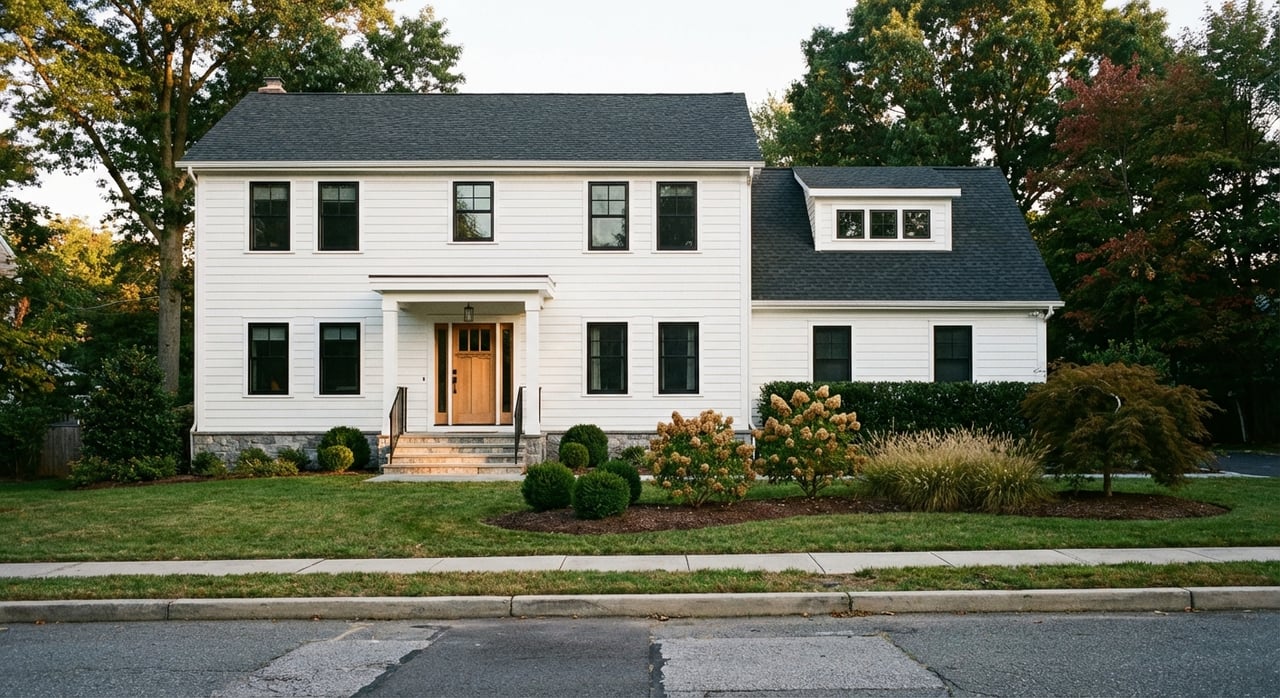
Typical local housing is suburban single family, including ranch, split-level, and colonial styles, much of it built during mid-20th-century expansion. Condition varies by block and renovation history. Your budget should allow for inspection findings and any near-term updates that matter to you.
Budget takeaways for first-time buyers
- Use the ACS median values to sanity-check area expectations, then base your offer on very recent comparable sales on your target blocks.
- Keep cash in reserve for taxes, insurance, and early maintenance. Mid-century homes can need roof, HVAC, or electrical updates based on age and prior care.
- Expect location to drive price. Proximity to rail, renovated interiors, and larger lots can lift values within the same ZIP.
Taxes and monthly cost checks
Property taxes on Long Island are driven mainly by school-district levies, plus town, county, library, fire, and any special districts. Two similar homes can carry very different tax bills based solely on district lines. Do not rely on a single MLS tax line when you shop.
A quick, reliable process:
- Pull the assessed value and recent tax bills from the Town. Start at the Town of Smithtown Assessor to find the right portals for assessment and tax-roll data.
- Confirm the exact school district for the parcel. School taxes are typically the largest component of your bill.
- Ask for the last two tax bills and note any exemptions. Some exemptions can change on transfer, so verify with the Assessor.
Schools and boundaries: a simple plan
If schools factor into your decision, compare options at the address level. Ratings and programs can change year to year, so look at multiple sources and visit in person.
- Confirm assignment for the exact street address with the district or seller disclosures. Start by understanding local boundaries on the Nesconset overview.
- Review recent state report cards for context on programs and outcomes using the NYSED Report Card portal.
- Use third-party snapshots as another data point, such as the GreatSchools page for Tackan Elementary. Treat these as starting points, not final verdicts.
- Visit the assigned schools, ask about curriculum, arts, AP, and transportation, and compare any recent school tax levy increases noted in budget materials.
Commute and daily logistics
Mean commute times suggest a small edge for Smithtown, but your route matters more than the average. Smithtown hamlet offers direct LIRR access, while Nesconset residents typically drive 5 to 15 minutes to a nearby station. If you plan to ride the train, build in time for parking and transfers.
- Branch details and schedules: LIRR Port Jefferson Branch
- Area averages: Nesconset QuickFacts and Smithtown CDP QuickFacts
Pro tip: Do a live-drive test at your peak hours for both neighborhoods. Time the door-to-door run to your office or station approach so you can compare real-world routines.
Utilities, flood, and inspection items
Before you write an offer, verify the infrastructure that affects your long-term costs. Much of Suffolk relies on public water with cesspool or septic, but service areas vary by parcel.
- Water: Confirm service and review water-quality reports with the Suffolk County Water Authority.
- Sewer vs. septic: Check the Town and County for sewer district maps and confirm the property’s status with the Town of Smithtown Assessor.
- Flood risk: Use FEMA’s official maps to see if a parcel sits in a flood zone and to estimate insurance needs at the quote stage. Start with the FEMA Flood Map Service Center.
Quick buyer checklist:
- Verify school assignment for the exact address and scan recent NYSED report-card data.
- Pull the last two tax bills and confirm assessed value and exemptions with the Town.
- Confirm water source and sewer status for the parcel.
- Check FEMA mapping and request an insurance estimate if any zone appears.
- Test your commute at real times and compare parking options at the nearest LIRR stations.
Which neighborhood is your best first step?
- Choose Nesconset if you want a similar suburban feel with a history of slightly lower entry prices on average, and you are comfortable with a short drive to the LIRR.
- Choose Smithtown hamlet or nearby blocks if rail access and a shorter average commute are priorities, and your budget supports the area’s typical price points.
- In both, compare specific streets for school district lines and tax districts. Value varies block by block based on condition, lot size, updates, and access to daily conveniences.
Local help when you are ready
Buying your first home is easier when you have clear numbers and a plan. Our team pairs neighborhood expertise with straight answers on taxes, utilities, schools, and commute tradeoffs, then helps you structure a confident offer. If you are also selling to buy, our in-house services can prepare your current property for market so your move is seamless.
Have questions or want to compare addresses side by side? Connect with Bona Fide Fine Homes & Estates to get started.
FAQs
What are typical first-time buyer price points in Nesconset vs. Smithtown?
- Census medians put Nesconset’s owner-occupied value near $639,500 and the Smithtown CDP near $704,700; recent sales medians often show a similar gap, but month-to-month shifts and home condition can change the picture at the block level.
How do I check the school assigned to a specific Nesconset address?
- Ask the listing agent and the district to confirm in writing, then review recent program and outcome data using the NYSED Report Card portal and visit the assigned schools.
Does Nesconset have an LIRR station, and how does that affect my commute?
- Nesconset does not have a station; residents typically drive to Smithtown or St. James on the Port Jefferson Branch, so factor in a 5 to 15 minute drive plus train time and parking when you compare routines (branch overview).
Are property taxes higher in Smithtown than in Nesconset?
- It depends on the parcel and its school, town, and special districts; pull the latest bills and assessed value from the Town of Smithtown Assessor for any address you are considering.
Do most homes in this area have sewers or septic systems?
- Large parts of Suffolk use public water with cesspool or septic; confirm the specific property’s sewer status with the Town and verify water service with the Suffolk County Water Authority.
Is flood insurance required for homes in Nesconset or Smithtown?
- Many inland parcels are outside high-risk zones, but requirements are address specific; check your exact lot on the FEMA Flood Map Service Center and get a quote from your insurer before you finalize an offer.