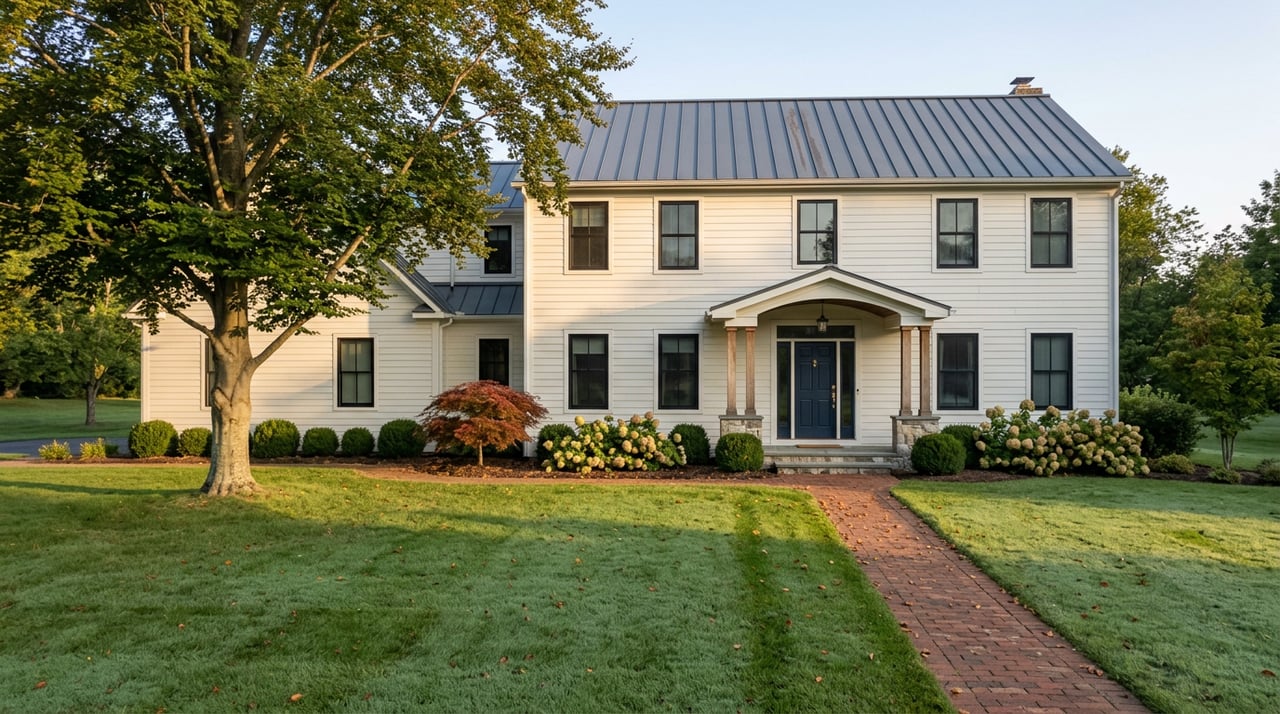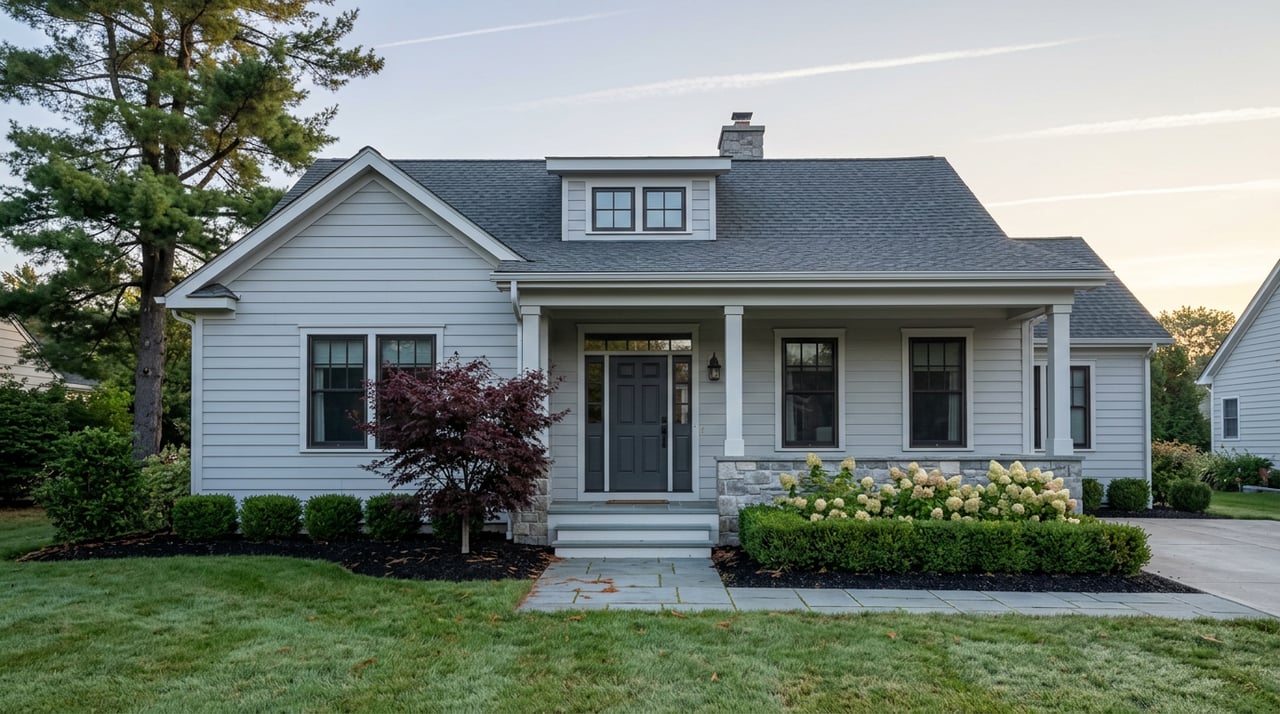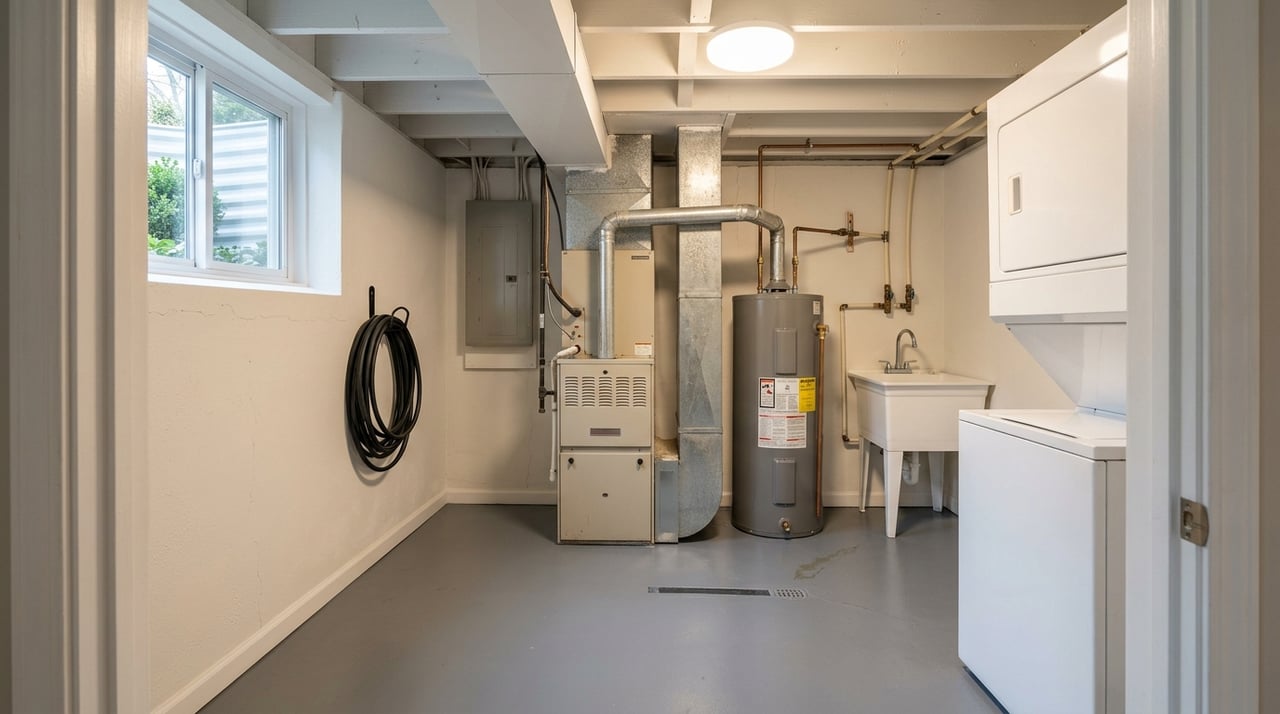
If you own an older home in Smithtown, one question can shape your entire sale: what will a buyer uncover that you have not already addressed? That concern is common with older Colonials, ranches, and split-level homes, especially when permits, site systems, or aging components are involved. The good news is that many of the biggest deal-slowers are predictable, which means you can prepare for them before your home hits the market. Let’s dive in.
Why older Smithtown homes need extra prep
Older homes often come with years of updates, repairs, and changes that may not be fully documented in one place. Even when a property has been well maintained, buyers and inspectors tend to focus on whether the paperwork matches the home as it stands today.
In Smithtown, sellers of older homes often run into friction in three areas: missing or incomplete records, septic or cesspool questions, and repair requests tied to older roofs, basements, tanks, or other aging systems. Preparing for those issues early can help you avoid rushed decisions during contract negotiations.
Start with your property records
One of the smartest first steps is building a clean pre-listing file. Smithtown’s Building Department handles permits, inspections, and certificates of occupancy, and it keeps those transactions on permanent record. If your buyer asks whether a deck, basement finish, roof change, or skylight was properly approved, records matter.
According to the Town of Smithtown Building Department, owners can request record searches, purchase duplicate certificates of occupancy or compliance, and, for homes built before permits were required in 1947, request a History Letter. That can be especially helpful if you own a long-held property with older work and missing documents.
Check for open permits
Open permits can create both timing and compliance problems during a sale. Smithtown’s inspection instructions explain that permits must be valid for inspections to occur, and certificates are issued only after required inspections are completed and approved.
If an old permit was never signed off, that can become an issue when your buyer’s attorney or inspector starts asking questions. It is much easier to investigate and resolve that before listing than while trying to keep a contract together.
Review common permit trouble spots
Some improvements come up again and again in older Smithtown homes. The town’s FAQ guidance notes that decks over 8 inches require permits, fences over 4 feet require permits, roofline changes require permits, and skylights always require permits.
Finished basements are another common flashpoint. Smithtown states that habitable basements must meet requirements for ceiling height, smoke detectors, and egress, so a basement that was casually upgraded years ago may draw extra attention from buyers.
Understand New York’s disclosure rules
Starting July 1, 2025, New York requires a Property Condition Disclosure Statement, and it must be delivered before the buyer signs a binding contract. The state also makes clear that this form is not a warranty and does not replace inspections, but it still plays a major role in setting expectations and reducing surprises.
The current New York Property Condition Disclosure Statement asks about many of the issues that commonly affect older homes, including roof age and defects, water damage, pest damage, sewage systems, fuel tanks, asbestos, lead plumbing, radon, and flood-related history. If new information later makes your statement materially inaccurate, the state says it should be updated.
Think of disclosure as a preparation checklist
For sellers, the disclosure form is more than a legal requirement. It is also a practical roadmap for what buyers are likely to ask about.
If you can gather receipts, permits, inspection records, service histories, and other supporting documents before listing, you put yourself in a much stronger position. In many cases, clear documentation can calm a buyer’s concern just as effectively as a repair itself.
Septic and cesspool questions can affect your sale
In Suffolk County, wastewater systems are a major issue for older-home sales. The county says about 70% of residents rely on on-site wastewater systems, and its Septic Improvement Program FAQ says 74% rely on antiquated cesspools and septic systems. Many of those systems are more than 40 years old.
That matters because buyers may look beyond the home’s appearance and ask hard questions about system type, age, condition, and maintenance. Even a beautifully presented house can face negotiation friction if the wastewater system is unclear.
Gather septic records early
Suffolk County’s Department of Health Services says it may have septic-system location records for single-family homes built in 1973 or later. If you are building a pre-listing file, having your property tax map number and approximate year built ready can help when requesting available information.
This is also a good time to gather pumping records, service receipts, and any repair history you may have. The state disclosure form specifically asks about sewage system type, age, date last pumped, pumping frequency, and known material defects.
Know when upgrades may be required
Suffolk County’s certification materials say sanitary components must meet current standards for the proposed use, or upgrading will be required. That does not mean every older system must be replaced before a sale, but it does mean buyers may push for clarity, credits, or further review when records are limited or the system appears outdated.
If replacement becomes necessary, the county’s Septic Improvement Program process overview currently advertises a $20,000 county grant plus up to $25,000 from New York State for eligible projects. The program applies to existing residences served by septic or cesspool systems and requires, among other things, a valid certificate of occupancy, current property taxes, no tax liens or foreclosure, and use of a county-approved installer.
Oil tank questions can get expensive fast
Older Long Island homes often bring another concern into play: heating oil tanks. If your home has an above-ground, underground, abandoned, or previously removed tank, buyers will want to know what is there, what was there before, and whether any issue was ever reported.
The New York State Department of Environmental Conservation says most home heating-oil tanks under 1,100 gallons are not regulated by state Petroleum Bulk Storage rules, but Suffolk County is one of the delegated counties where local rules may still apply. DEC also encourages annual inspections and notes that leaks can lead to expensive cleanup work.
Document old or removed tanks
DEC also notes that underground tank removal can cost roughly $1,000 to $5,000 depending on size and access. That is one reason old tank questions can create stress late in a transaction.
Suffolk County’s storage-facility guidance says petroleum storage tanks generally must be registered, with some exceptions for certain small residential heating-oil tanks under 1,100 gallons outside regulated areas. It also says abandoned and out-of-service tanks must be registered. If your property has a tank history, collecting any registration, removal, inspection, or service records before listing is a smart move.
Expect buyers to focus on aging components
Most older-home negotiations are not blown up by one dramatic issue. More often, they are shaped by a cluster of smaller concerns that make buyers feel uncertain. That is why pre-listing review matters.
The state disclosure form highlights the issues buyers often question most: roof age, defects, rot, water damage, fire or smoke damage, pest damage, fuel tank leaks, asbestos, lead plumbing, radon, floodplain status, and prior flood claims. For homes built before 1978, the state also reminds buyers to investigate for lead-based paint.
Pay close attention to basements and roofs
In Smithtown, basement egress and roof-related questions tend to come up frequently because they overlap with both safety and permit issues. The town’s FAQ guidance specifically points sellers toward basement standards, roof layer count, roofline changes, and skylight permitting.
If your home has an older roof, signs of moisture, a modified basement layout, or a long-ago improvement with limited records, these are worth reviewing before you list. You do not always need to complete every update, but you do need a plan for how to explain and document what exists.
A better way to sell without last-minute surprises
The cleanest older-home sales usually follow the same pattern: identify questions early, organize the paperwork, and decide which issues deserve repair, documentation, or pricing strategy. That approach can reduce buyer anxiety and help you stay in control of negotiations.
For some sellers, that means ordering records and gathering receipts. For others, it means handling targeted remediation, pre-sale updates, or presentation improvements so the home shows at its best while fewer unknowns remain in the background.
When you want a more coordinated approach, working with a team that understands both pre-sale property preparation and market positioning can make a real difference. If you are preparing to sell an older Smithtown home, Bona Fide Fine Homes & Estates can help you create a clear list-and-launch plan with strategic guidance, property preparation support, and elevated marketing built around your home’s strengths.
FAQs
What paperwork should you gather before selling an older Smithtown home?
- Start with certificates of occupancy or compliance, permit records, records for any additions or alterations, septic or cesspool service records, oil tank documentation, and repair receipts for major systems like the roof or basement.
What Smithtown home updates commonly cause permit issues during a sale?
- Common examples include finished basements, decks, taller fences, roofline changes, and skylight installations, all of which can trigger questions about permits or final approvals.
What does New York require in the Property Condition Disclosure Statement?
- The disclosure form asks sellers about the property’s condition, including roof issues, water damage, pests, sewage systems, fuel tanks, environmental conditions, and other known material defects.
What septic information should Suffolk County sellers be ready to provide?
- Be prepared to share the system type, approximate age, date last pumped, pumping frequency, known defects, and any available location records, service receipts, permits, or upgrade history.
Why do oil tanks matter when selling an older Long Island home?
- Oil tanks can raise environmental and cleanup concerns, especially if a tank is underground, abandoned, out of service, or missing documentation about inspection, registration, or removal.
Can documentation help even if you do not complete every repair before listing?
- Yes. Clear records, receipts, permits, and service history can reduce buyer uncertainty and help support pricing and negotiations even when a seller chooses not to make every update before going to market.